EverCommerce.
Re-Engineering Internal Agency Scale.
01 / The Overview
The Gap Between "It Works" and "It Scales."
Most web projects don't fail at launch. They fail later, when the same problems keep showing up project after project.
At EverCommerce, an internal website framework had spent eight months in development and was creating more work than it was saving. Every new build inherited the same bugs, the same structural issues, and the same workarounds. Teams were spending time fixing the framework instead of using it.
After solving those problems one too many times, it became clear the issue wasn't the websites. The issue was the system underneath them.
What started as a one-week rebuild became the foundation for a faster, more reliable production workflow—cutting production time nearly in half and giving teams a framework they could actually trust.
02 / The Challenge
The Same Problems, Every Time.
What looked like a reusable website framework template was actually creating more work with every project that used it.
- Components weren't truly reusable. Small changes often created unexpected problems elsewhere in the system.
- Styles lacked structure. Without a consistent class strategy, every project added more complexity and made future maintenance harder.
- Interactions were tightly coupled. Animations and functionality were often tied directly to individual elements, making updates risky and time-consuming.
- The problems multiplied. Every new website inherited the same issues, which meant teams spent more time working around the framework than benefiting from it.
By that point, it wasn't reducing friction—it was distributing it across every project that touched it.
03 / The Approach
Fix the Foundation First.
To build for velocity, you have to build for stability. You can't build for speed on top of a system that breaks every time someone touches it.
Rather than patching individual issues, I rebuilt the framework template from the ground up—focusing on structure first and visuals second.
- Reusable components. Common patterns became shared building blocks instead of one-off solutions.
- Clear separation of responsibilities. Structure, styling, and interactions were organized so updates could happen without unintended consequences elsewhere.
- A shared source of truth. Standardized classes, components, and patterns gave teams a consistent framework to build from.
- Built for production. The system was designed around how teams actually work, making it easier to launch new sites without reinventing the wheel each time.
The goal wasn't to create a more complicated framework. It was to create one the team could trust.
04 / The Impact
A Week to Rebuild. Immediate Results.
The rebuild itself took about a week. The impact was visible almost immediately.
- Production time was cut nearly in half. Teams spent less time troubleshooting recurring issues and more time building.
- An estimated $200K in annual efficiency gains. Fewer workarounds, less production overhead, and a framework designed to support growth instead of slowing it down.
- A system people actually wanted to use. Designers, developers, and marketers could work within the framework confidently, without worrying that a small change would trigger problems elsewhere.
Most importantly, new projects stopped inheriting the same issues that had been slowing production for months.
The feedback from the team was immediate. Instead of fighting the framework, they could finally focus on the work and lovingly referred to it as the "Shirley Template".
The system also helped demonstrate EverConnect's ability to deploy and maintain complex, multi-location web properties at scale. That operational maturity became one of many factors supporting the company's eventual acquisition by Ignite Visibility.
05 / The Deep Cuts
The Stuff That Made the Difference.
The visible improvements were easy to spot. The real value came from the structural changes underneath.
- Reusable layouts. Common page structures became building blocks instead of one-off solutions, making new projects more delightful to design, faster to launch and easier to maintain.
- Cleaner content management. Content could be updated without worrying about breaking layouts, reducing friction for both marketers and production teams.
- Better team alignment. Designers, developers, SEO specialists, and marketers were working from the same system instead of translating between disconnected processes.
- Less maintenance overhead. The framework became easier to support over time, allowing the team to focus on new work instead of recurring fixes.
None of these changes were particularly flashy. That's usually how good systems work. When the foundation is solid, people stop thinking about the framework and start focusing on the work.
06 / The Key Insight
A Design Sytem is Judged on How It Holds Up.
Styling a component is easy. Building one that works everywhere it's needed is the hard part.
The more an agency grows, the more important the framework becomes. Good agency systems create enough structure to keep a brand consistent without limiting its ability to evolve uniquely.
That's the difference between a single launch and a framework that scales.
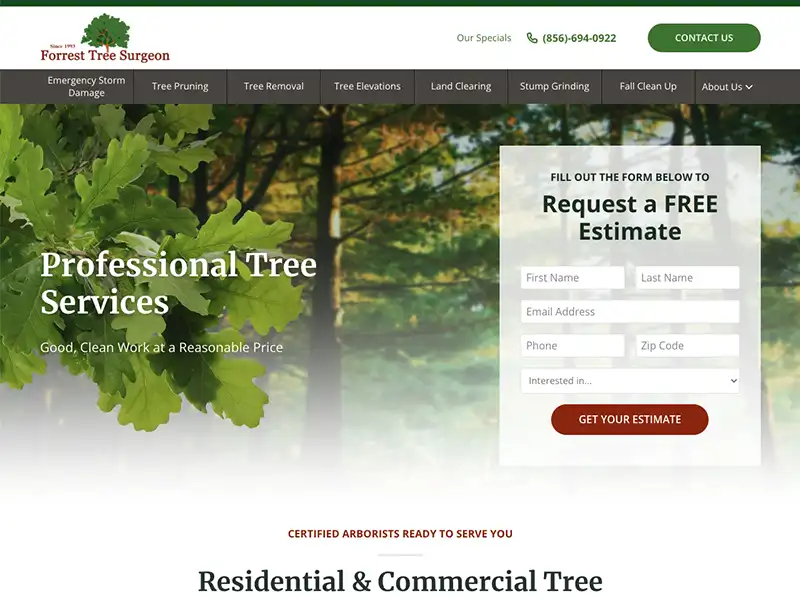
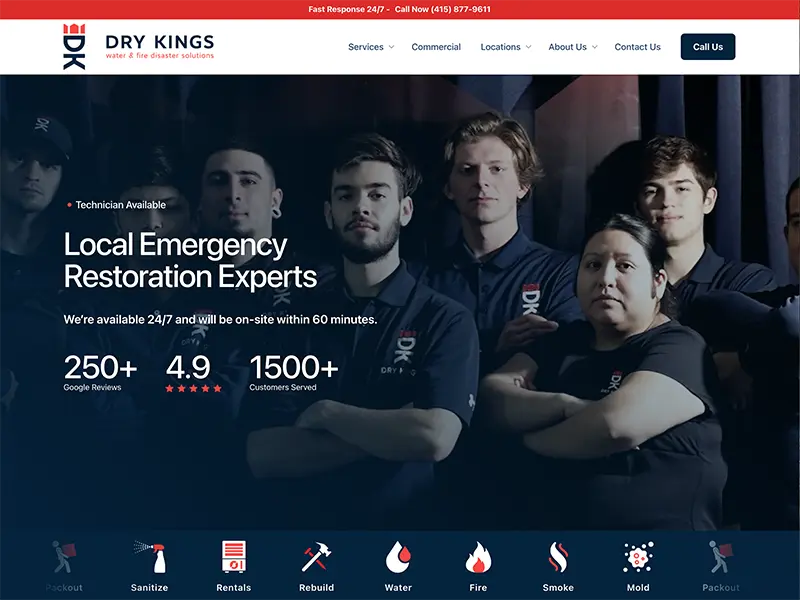
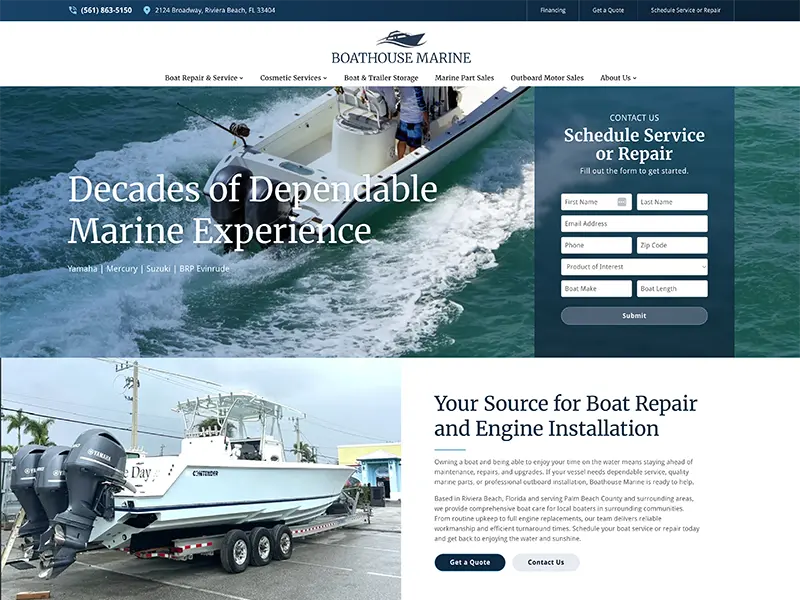
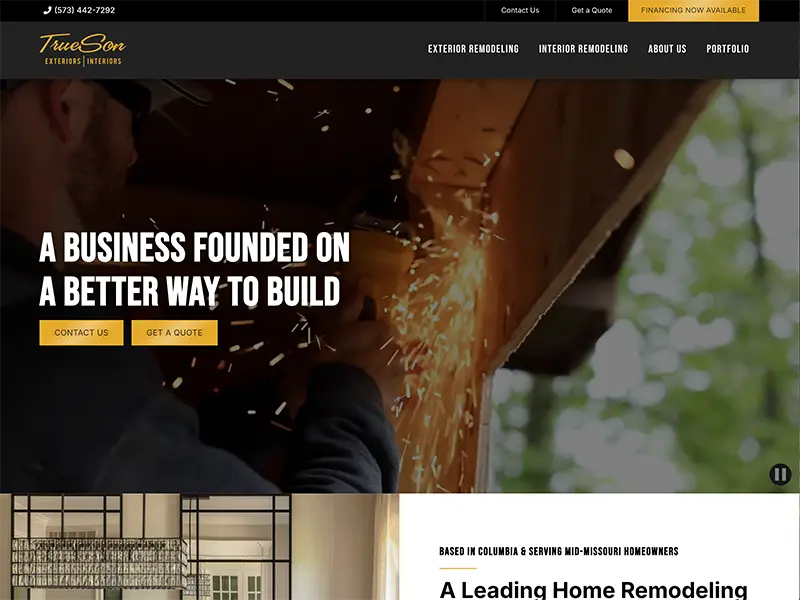
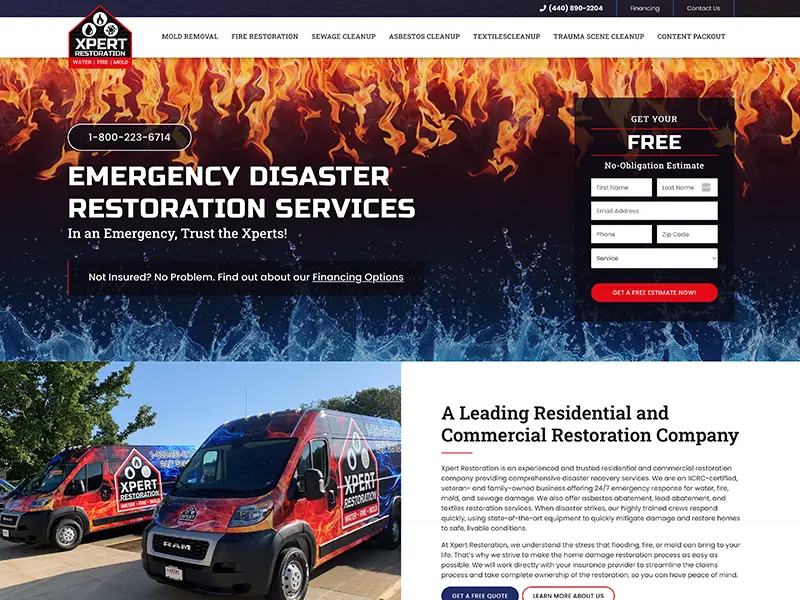
Custom Websites Built from the Framework
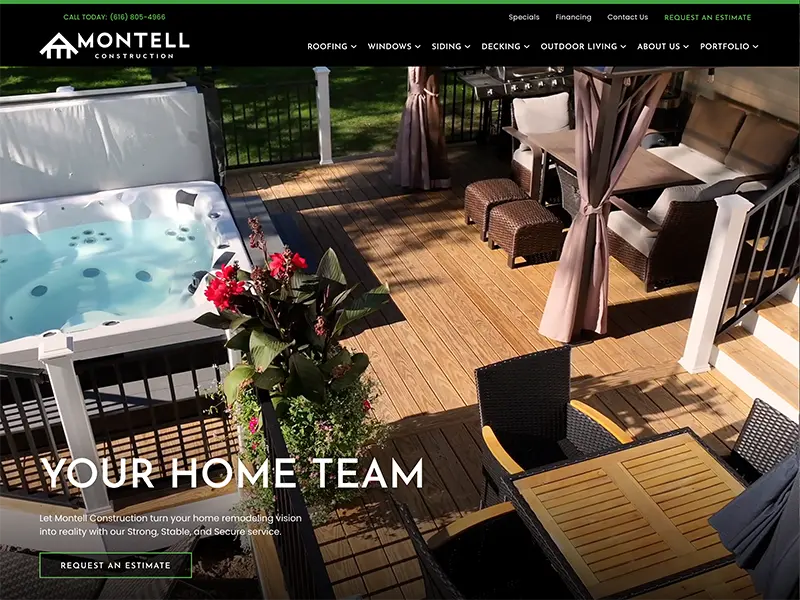

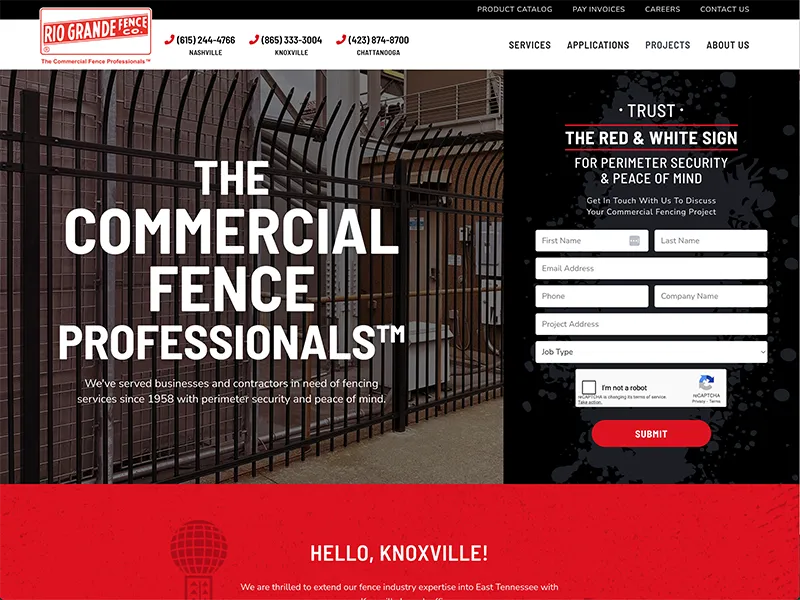
Framework-Powered Conversion Websites